
Feb 6, 2026-Dr. Sumit Yadav Control of Vertical Dimensions & Management of Impacted Cuspids - Meetings - details
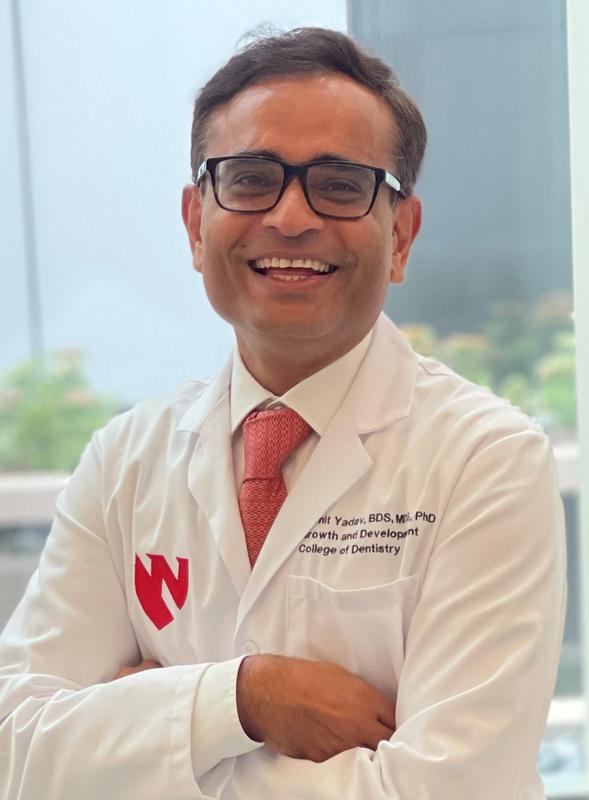
Feb 6, 2026-Dr. Sumit Yadav Control of Vertical Dimensions & Management of Impacted Cuspids
Management of Vertical Dimensions
Synopsis: Management of vertical dimension in orthodontics is a critical aspect of achieving facial harmony, functional occlusion, and long-term stability. It involves controlling the vertical relationships of the maxilla and mandible, as well as the eruption and intrusion of teeth, to address conditions such as open bite, deep bite, and vertical maxillary excess. Strategies include growth modification in growing patients, orthodontic intrusion or extrusion of teeth, and in some cases, orthognathic surgery in adults. Biomechanical control using appliances such as temporary anchorage devices (TADs), bite blocks, and vertical elastics allows precise vertical adjustments. A thorough diagnosis and individualized treatment plan are essential, as changes in vertical dimension can significantly affect both aesthetics and function.
Learning Objectives:
1. Understand the anatomical and developmental factors influencing vertical dimension in orthodontic diagnosis and treatment planning.
2. Identify common vertical discrepancies such as anterior open bite, deep bite, and vertical maxillary excess, and their clinical implications.
3. Evaluate various treatment modalities for managing vertical dimension, including growth modification, orthodontic mechanics, and surgical interventions.
4. Explain the role of biomechanics in vertical control, including the use of appliances like TADs, bite blocks, and vertical elastics.
5. Formulate individualized treatment plans that address vertical discrepancies while optimizing facial aesthetics, function, and long-term stability.
Management of Canine Impaction
Synopsis: Management of canine impactions is a common and important aspect of orthodontic practice due to the canine's crucial role in aesthetics, occlusion, and arch development. Early diagnosis through clinical and radiographic assessment is key to preventing complex impactions. Management strategies depend on the location, severity, and etiology of impaction, and may include interceptive approaches such as extraction of primary canines to facilitate spontaneous eruption. For impacted canines requiring active intervention, surgical exposure followed by orthodontic traction is the most common approach. Careful biomechanical planning is essential to control forces and avoid damage to adjacent structures. Multidisciplinary coordination may be necessary, especially in cases involving ectopic eruption, ankylosis, or resorption of adjacent teeth.
Learning Objectives:
1. Recognize the etiology and prevalence of maxillary canine impactions and their clinical significance.
2. Interpret diagnostic tools, including clinical examination and radiographic imaging (e.g., panoramic, CBCT), for early detection and localization of impacted canines.
3. Differentiate between interceptive and comprehensive treatment approaches, including timing and indications for extraction of primary canines.
4. Describe surgical and orthodontic techniques used to expose and guide impacted canines into the dental arch.
5. Apply biomechanical principles to plan and execute safe and efficient traction of impacted canines.
6. Identify potential complications such as root resorption, ankylosis, and loss of vitality of adjacent teeth, and strategies to prevent or manage them.
Biographical Sketch: Dr. Sumit Yadav is a Professor and Chair of Department of Growth and Development at UNMC College of Dentistry and Children’s Hospital. He is Henry and Anne Cech Endowed Professor of Orthodontics and a Board-Certified Orthodontist. He has published extensively and has more than 160 peer reviewed articles. He is funded through NIH and American Association of Orthodontic Foundation. He is a director of Midwestern Society of Orthodontist and a member of planning and review committee of American Association of Orthodontic Foundation. He serves on the advisory council of Harvard Business Review.
Registration
- Registration cards for each individual program will be mailed to all member doctors prior to the program.
- C.E. validation sign-in will take place in the morning for all members and guests (including staff) outside the lecture room beginning at 8:30 A.M. This sign-in must be completed prior to the start of the meeting for C.E. credits to be issued.
- There is no advance payment for the CSO programs. Those who register will be billed AFTER the program and the tuition will be based on our cost. The Society has designed this payment schedule to benefit it’s members by distributing the cost of the meetings amongst the number of registrants. The CSO is solely supported by members’ dues and does not profit from the meetings.
- Please submit all registrations and cancellations no later than two weeks prior to the meeting.
Meeting Agenda
- The programs will begin promptly at 9:00 A.M.
- A brief CSO business meeting will take place at each meeting.
- Tuition includes a continental breakfast and luncheon.
- All programs will conclude by 4:30 P.M.
Continuing Education
- Six hours of Continuing Education will be granted for each course.
- Certificates of participation and credit hours will be issued upon completion of each course at the adjournment of the lecture.
- Partial C.E. credit hours will be issued if you wish to leave prior to the conclusion of the course.
- It is the responsibility of the individual doctor or guest (including staff members) to obtain his/her C.E. Certificate at each lecture before departure. NO C.E. credits/certificates will be issued after the course date.